

Manitaropita: Greek mushroom pie Recipe

Manitaropita background
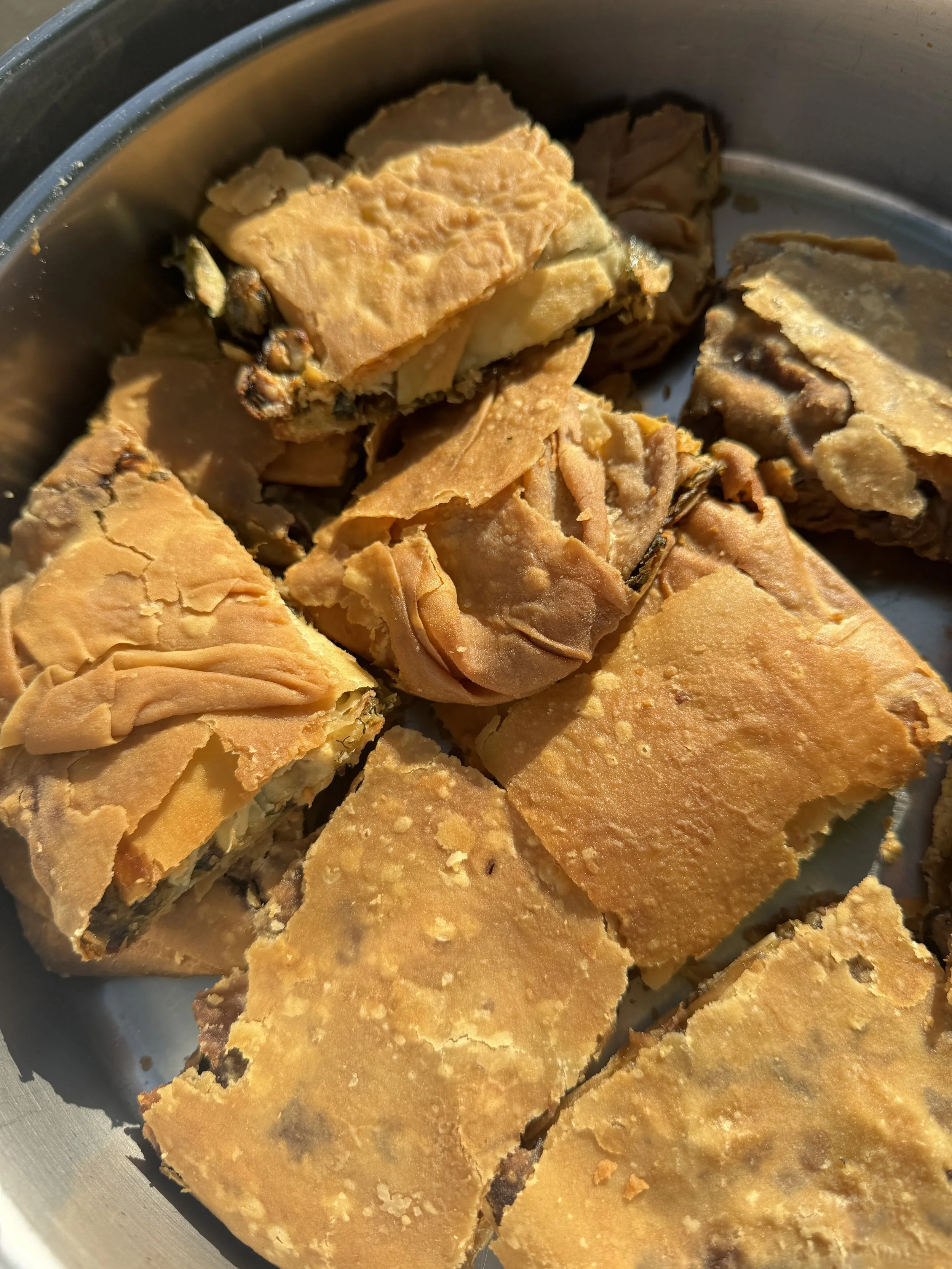
If you’ve never heard of manitaropita (mushroom pie), don’t worry – there are at least 300 recorded traditional Greek pites. Like many pites, manitaropita’s roots are attributed to Epirus, as well as Macedonia. As I write in the Souvlakination spanakopita/hortopita recipe (click here), pites are perhaps most symbolic of Greek cuisine than any other dish: they are versatile and resourceful, changing form and shape across regions and seasons, as the food of the poor who lived off their land and shared their produce (and food) with one another. Pretty much anything can go in a pita, and it’s no surprise that mushroom pie (aka manitaropita) is another traditional village pita. Although Akis, Argiro and other established Greek recipe writers will incorporate modern spins into their recipe, I’ve tried to keep this one simple and traditional, and place the emphasis on good, tasty mushrooms.

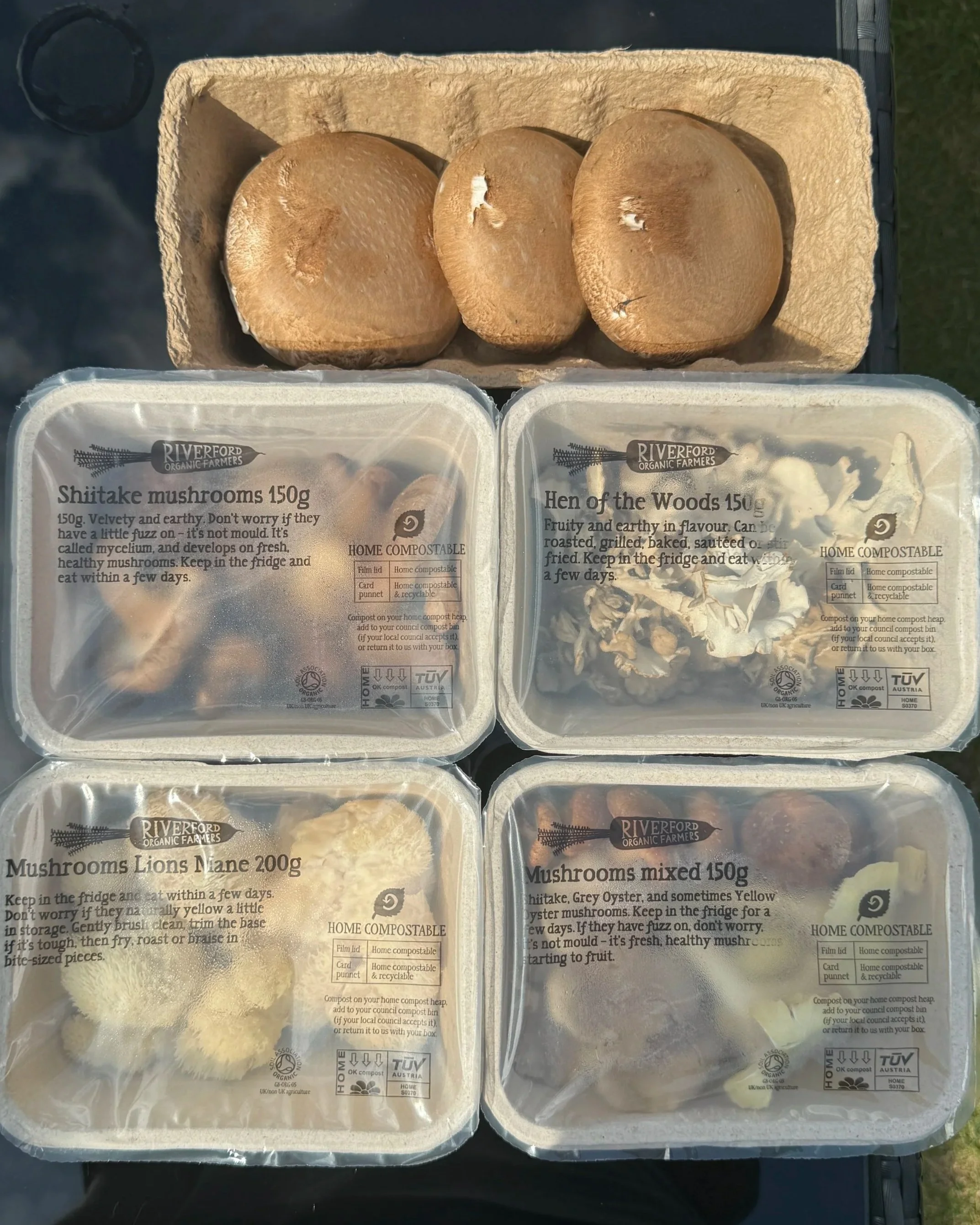
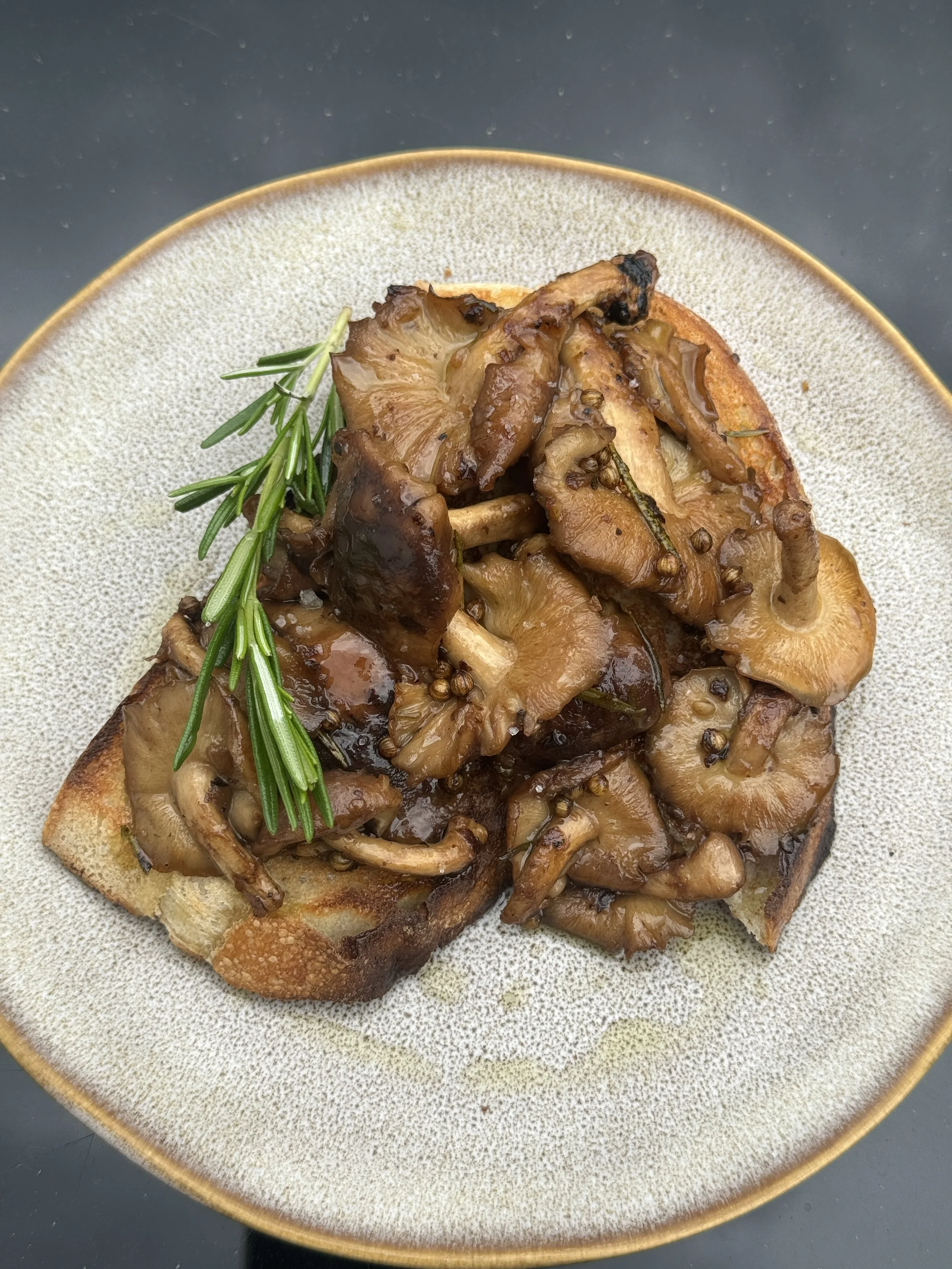
I ordered a mix of good organic mushrooms from Riverford when I made this recipe in London. This isn’t an ad for Riverford, I’m just trying to get the Englezi to eat properly, and Riverford is one of the few organisations giving Brits access to proper, herbicide- and pesticide-free, organic, nutritious and delicious farm produce, whilst also nobly campaigning to defend organic farming in the UK. If you don’t get hold of good mushrooms there’s probably no point making this recipe. This principle applies the world over, the Mediterranean included, where independent, de facto organic farmers have fewer incentives than ever to stick to or take up the trade. We will lose all real, good food it that trend continues, and the loss will be most evident in the Mediterranean for those old enough to remember the difference (younger generations will have no point of reference).
So buy some good mushrooms from independent, organic farmers, farm shops or greengrocers – not large supermarket chains.
Here’s the simplest recipe you’ll see:
Pites, Greece & real Greek cuisine
Whilst Greek villagers were poor and made pites as a means of survival with the basic ingredients available to them, often having to share with their neighbours when one particular family was low on produce, the irony is that their ingredients would have been far tastier, packed with more nutrients, and free of the toxins in the produce that most people in cities eat today. If you’re also interested in discovering the real nature of traditional Greek cuisine and hearing stories from older generations, their lives in the villages and what they would cook and eat, you should definitely go and give Greek Village Life a look on Youtube.
What I find most interesting is that, despite poverty and the necessity to share with one another as a means of survival, a major theme across all the testimonies from older generations on Greek Village Life videos about how life used to be in the villages is that all agree that, although times were harder, all of them were happier and kinder to one another. We ought to listen and learn from those generations, and learning to eat like them is a major part of that.
Add your email
Add your email to hear about new recipes, recommendations and news from Souvlakination.
Recipe notes
For this recipe I’ve laid out a nistisimi version (albeit with extra virgin olive oil) for those fasting/vegans. If that doesn’t apply to you, you can also add cheese(s) of your choosing to add some flavour and help bind the filling, some trahanas for structure and to absorb any excess moisture, and 1-2 eggs to help further bind the filling if you like. Some might also add peppers or tomatoes, or even some olives (chop and cook with the mushrooms if so).
How to make Greek manitaropita: mushroom pie recipe

Ingredients:
For the filo:
250g flour
150ml lukewarm water
2tbsp extra virgin olive oil
1tsp vinegar or ouzo or tsipouro
For the filling:
Extra virgin olive oil
2 regular onions
A 500-600g mixture of good organic mushrooms (more info above)
2 spring onions
2-3 cloves of garlic
A small bunch of dill
Optional: 250g cheese (feta/kefalograviera/graviera/myzithra/etc.)
Optional: a handful of trahanas (fine, sour)
Optional: 1-2 eggs
Method:
Preparing the filo dough:
Begin by preparing the dough for the filo. Sieve the flour into a large bowl. Make a well in the centre and add the salt, extra virgin olive oil, and vinegar.
Gradually add the water, combining well as you go, until the dough is smooth. Combine fully before assessing whether you need to add any more flour or water. The dough should be elastic and smooth but not sticking to the bowl or your hands once it’s ready.
Cover with a tea towel and leave to rest for 30 minutes.

Preparing the mushroom filling:
Cut the onion into 1-2cm crescents, slice the spring onions, and finely chop the garlic and dill. Cut the mushrooms into 1cm strips.
Heat a large pan on a medium-high heat. Add a good lug of extra virgin olive oil, let it heat for a minute, then add in the onions.
Season and sautée the onions for about 5 minutes until softened.
Lower the heat to a medium and add in the spring onions, garlic and dill. Fry for a couple more minutes.
Add the mushrooms and season some more. (If you’re adding trahanas, add it in now.)
Turn down the heat a little and simmer for about 20 mins, stirring regularly, until the mushrooms are soft and the liquid has mostly evaporated into a thick sauce.
Turn off the heat and set aside and, once it’s cooled, mix in any eggs or cheese you might be adding.
Pre-heat your oven to 170 degrees celsius (or light your woodfire oven or charcoal).
Rolling the filo and filling the pita:
If you haven’t made filo before, here’s a more detailed guide in the spanakopita recipe.
Divide your filo pastry into four balls, 2 slightly bigger than the others.
Oil the bottom of a regular baking dish all over with extra virgin olive oil. Roll out the largest ball of filo and cover the base, leaving any excess to hang over the edge of the dish.
Brush with extra virgin olive oil and sprinkle a little cold water onto the first filo.
Repeat with the second largest filo, then add the filling.
Roll out the 3rd largest filo and cover the filling, If it’s overhanging, you can crumple it so that the filo is creased and fits right, or tuck in the excess into the edges.
Brush with extra virgin olive oil, sprinkle some water again, and repeat with the final filo sheet.
Now fold in the overhanging edges of the first two fila like an envelope. Alternatively, you can roll and pinch them inwards to create a crust if you like. Add more olive and water to any unoiled parts.

Cooking the pita:
Cook the pita immediately at 170 degrees celsius for 45 minutes.
In case there is any excess oil, drain into a bowl or cup and hold on to it. Using a large wooden dough/pastry board (or similar), flip the pita and slide it back into the tray. Drizzle with any of the excess oil that you may or may not have from the tray.
Put it back in the oven for another 30-45 minutes until golden and crisp.
Cut the pita immediately to prevent it from steaming and going soggy.
Enjoy, comment, and make sure you’re following Souvlakination on Instagram and Substack where I’m sharing restaurant recommendations, recipes, and not shying away from talking about how wealthy elites are manipulating our governments (through lobbying, ‘donations’, and other means) into putting independent farmers, traders and hospitality business owners out of business to the benefit of wealthy asset managers owned by the wealthiest few people on earth who are buying up most of our agricultural sector and high streets, poisoning us and our planet through intensive commercial farming practices, and destroying our food, our ingredients and our local communities in the process. We eat food every day – not just to survive, but also for our health. This conversations concerns every single human being on earth.
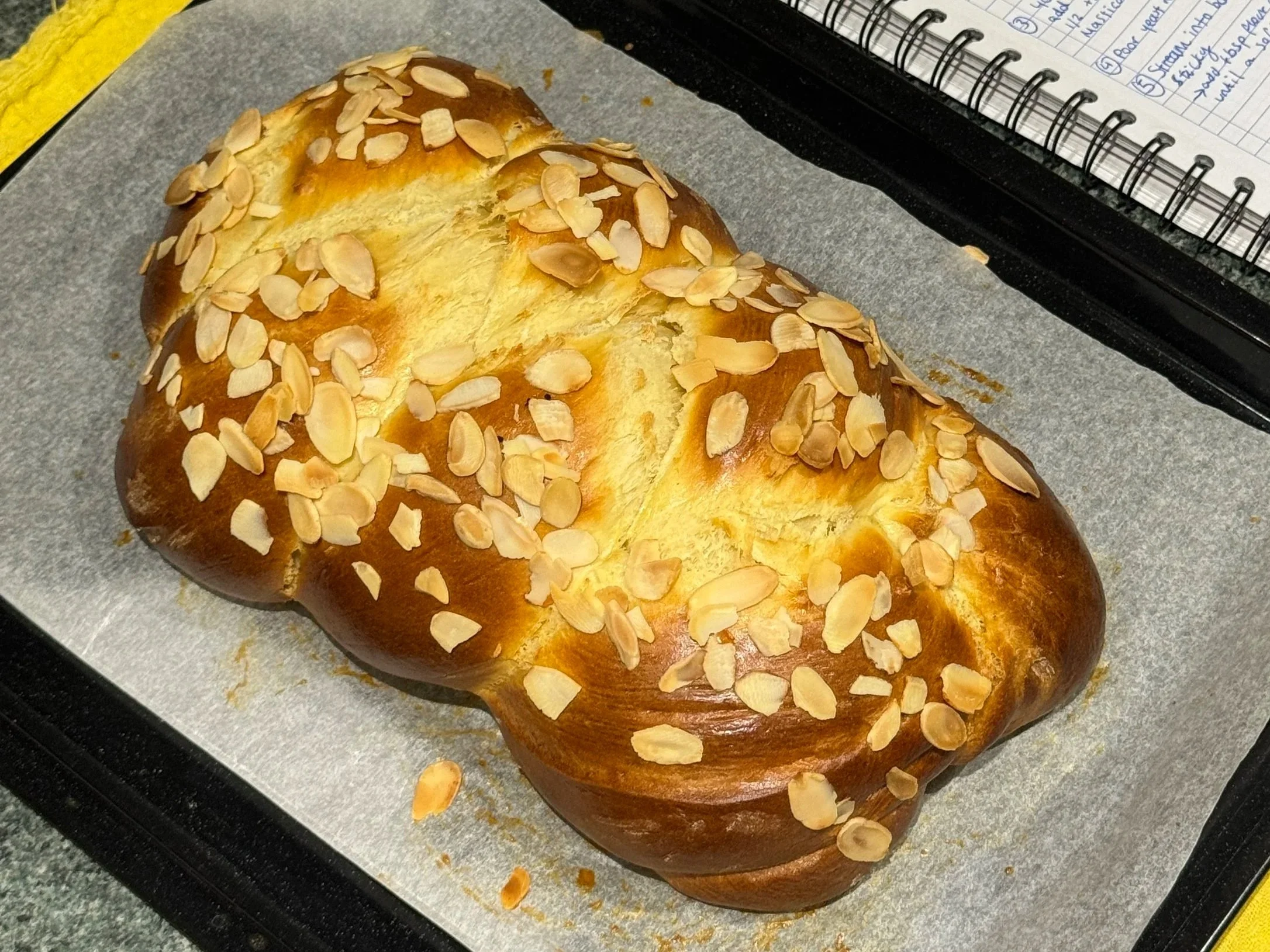
My grandmother’s recipe for traditional village olive breads, the way her mother would make them in mid-20th Century Cyprus.